AI products that hold up
outside the demo
Multi-stage pipelines, retrieval over your own documents, evidence and confidence on every answer, and a human in the loop where it matters.
Proof
AI work we have shipped
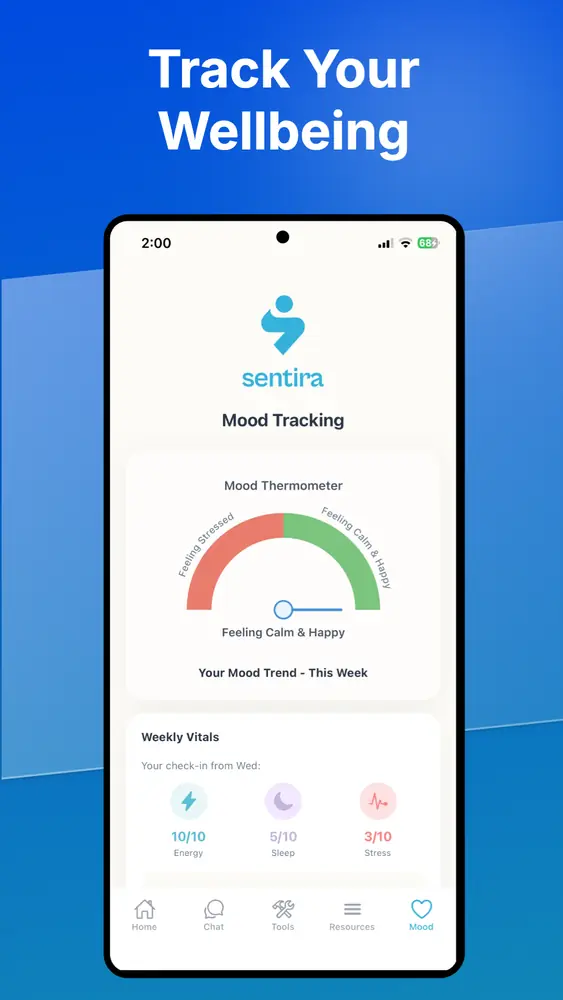
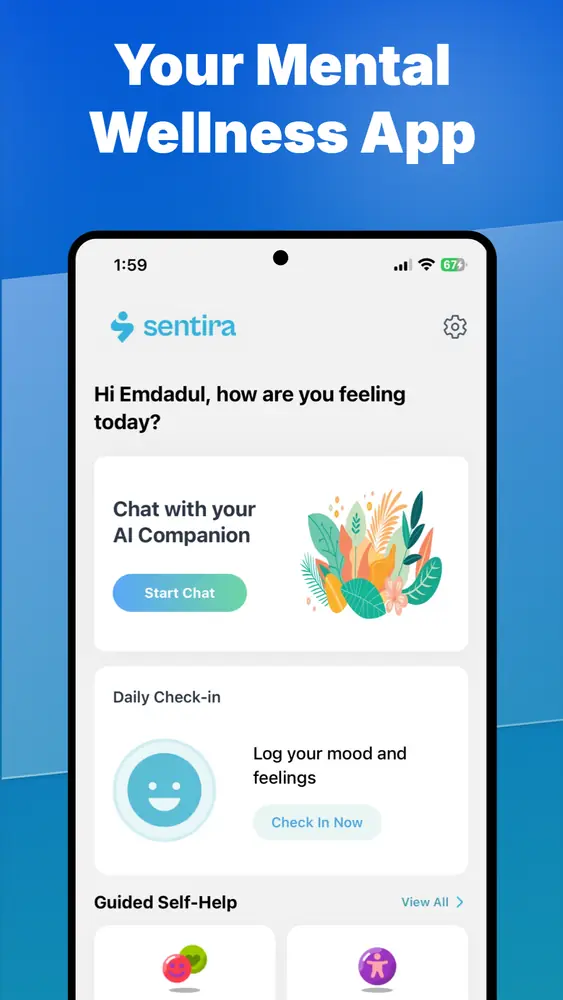
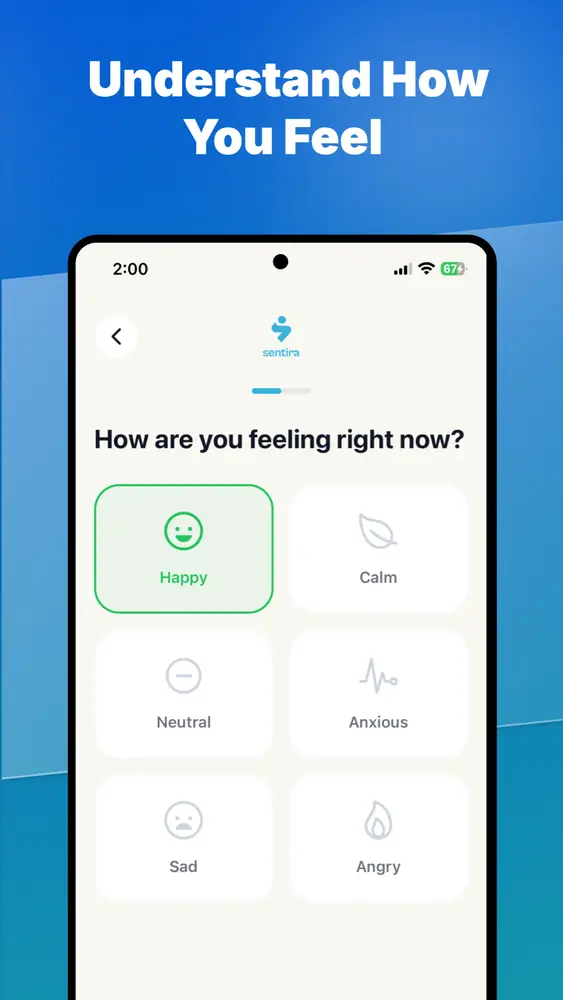
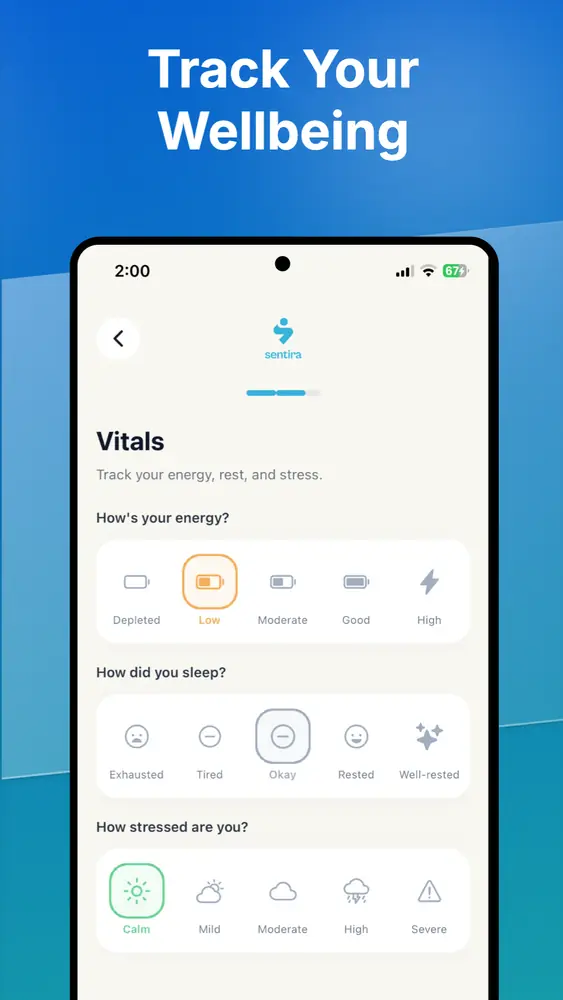
Sentira
An AI mental wellness app with journaling, mood tracking, streaming chat, and Stripe subscriptions.
Read the case study
God Encounters
A community platform using AI moderation on user-submitted content, alongside maps and audio.
Read the case studyA multi-agent sales platform
A system that sells across chat channels with human-in-the-loop handoff and full conversation visibility.
Read the case studyWant to see it before you commit?
Share your idea and we'll build a mockup first — so you see exactly what you're getting before any commitment. We'll flag quick technical or SEO wins along the way.
Included
What we build
Multi-stage AI pipelines
Reliable systems rather than one giant prompt. Each stage feeds the next while the source stays the ground truth, with evidence, confidence levels, and traceable reasoning.
 OpenAI
 Claude
 LangChain
RAG over your own documents
Assistants that answer from your content with citations back to the source, using embeddings, vector search, and streaming responses.
AI agents and automation
Agents that do work rather than just talk: multi-step tasks, tool use, and automation across the channels your business already runs on.
 n8n
n8n
Evaluation and guardrails
A way to tell whether a change improved the output, and defined behaviour for the cases where the model should refuse, escalate, or admit uncertainty.
Human in the loop
A clean handoff to a person at any point, with the full conversation visible, so your team can step in without starting over.
Cost and latency control
Cheap stages do the filtering, expensive models run only where they earn it, and the per-request cost stays visible instead of arriving as a surprise.
Why
Why single-prompt AI features fail
The gap between an AI feature that demos well and one that survives real users is mostly this.
How we build it
- ✓Several narrow stages, each doing one job and checked independently.
- ✓Retrieval first, so the answer is grounded in a real source.
- ✓Evidence and a confidence level attached to every output.
- ✓An explicit path for uncertainty: say so, escalate to a human.
- ✓Evaluation, so a change can be shown to be an improvement.
- ✓The model behind an interface, so it can be swapped.
How it usually breaks
- ×One long prompt asked to do six things at once.
- ×No retrieval, so the model fills gaps from memory.
- ×Answers with no source, which nobody can verify.
- ×No defined behaviour when the model is unsure.
- ×Prompt changes shipped on vibes, with no measurement.
- ×Hard-wired to one provider and one model version.
Process
How an AI build runs
Discovery
We map your goal, users, and constraints, then scope a focused first version and recommend the right architecture.
Design
UX flows and a clean interface, plus the system and data design, before a line of production code is written.
Build
Full-stack development with well-structured, maintainable code across frontend, APIs, and data.
Launch and Iterate
Deploy to production, measure, and improve. We stay on as a long-term partner when it proves out.
Stack
What we build AI products on
Most of this work is not a greenfield build, it is connecting AI into a stack you already have: wiring a model into an existing API, adding retrieval over data that already lives in your CRM or database, or turning a working prototype into something your production infrastructure can actually run. We scope that integration work the same way we scope a new build, with the same attention to auth, rate limits, and what happens when a call fails.
Frontend
 React
React
 Next.js
 TypeScript
 Tailwind CSS
 shadcn/ui
React Native
shadcn/ui
React Native
 Expo
Expo
Curious what this costs? See our development cost guide.
Backend and data
 Node.js
 Python
 Supabase
 PostgreSQL
 MongoDB
 SQLite
 Drizzle ORM
 Stripe
AI and automation
OpenAI
Claude
LangChain
Embeddings
Vector search
n8n
EAS Build
FAQ
AI product development, answered
What does AI product development involve that ordinary development does not?
The model is not deterministic, so correctness stops being a yes or no property of the code. That changes the engineering: you need retrieval so answers are grounded in real sources, evaluation so you can tell whether a change made the output better or worse, guardrails for the cases where the model should refuse or escalate, and cost and latency budgets per request. A feature that works in a demo and fails on the hundredth real input is the normal failure mode, and it is an engineering problem rather than a prompt problem.
How do you stop the AI from making things up?
By not relying on one large prompt. OffLift builds multi-stage pipelines where each stage feeds the next and the source document stays the ground truth. Answers come back with evidence, a confidence level, and traceable reasoning, so a user can check a claim instead of trusting it. When the system is not sufficiently confident, it is designed to say so and hand off to a human rather than fill the gap with something plausible.
Can it answer from our own documents and data?
Yes, and that is usually the point. Retrieval-augmented generation embeds your content, retrieves the passages relevant to a question, and answers from them with citations back to the source. Your documents stay the authority; the model does the reading and the phrasing.
Which AI model should we use?
It depends on the task, and it should not be a permanent decision. We choose per task on quality, latency, and cost, and keep the model behind an interface so it can be swapped when a better or cheaper one ships. Being locked to a single provider is a design flaw, not a feature.
Do we need to train or fine-tune our own model?
Almost certainly not, and it is the most common expensive detour. Retrieval over your own data plus careful pipeline design solves the large majority of business problems, and it keeps working when the underlying models improve. Fine-tuning earns its cost in narrow cases such as a consistent output format or a specialised classification task, and we will tell you plainly if yours is one of them.
What does an AI product cost to run once it is live?
Running cost is a design decision, not a fixed fact. It is driven by how many requests you serve, how much context each one carries, and which model handles each stage. We design pipelines so cheap stages do the filtering and expensive models only run where they add value, and we make the per-request cost visible so it can be managed rather than discovered on a bill.
Can you add AI to a product we already have?
Yes, and it is often the better first step. A single well-chosen feature inside an existing product, with real usage behind it, teaches you more than a new AI product built from nothing.
See it in production
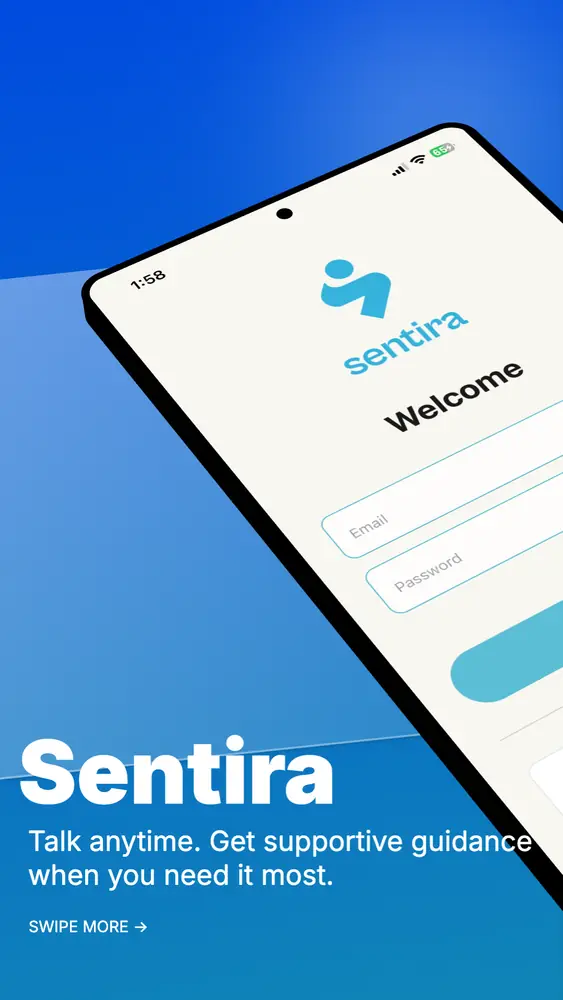
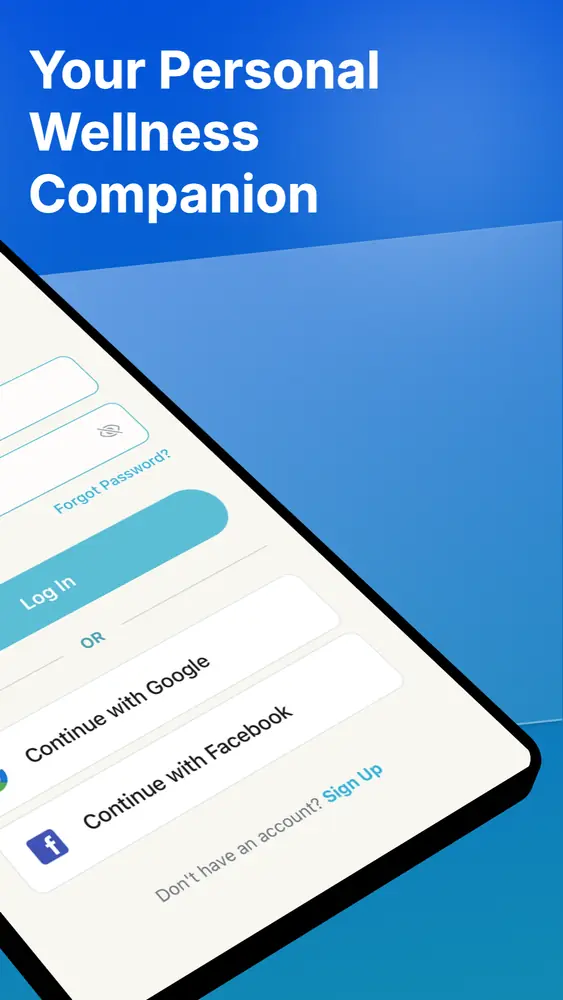
Sentira: AI companion, built and shipped
Real screens from Sentira, a product we built end to end. Read the case study →
Got an AI idea to pressure test?
Tell us what you want the model to do. We will tell you honestly whether it is a pipeline problem, a data problem, or not an AI problem at all.
Or email us directly at hello@offlift.com